

Everything Wrong (And Right) with BBC’s The Other Bennet Sister
I love a good book-to-move-or-TV-show adaptation. I love seeing the characters, settings, scenes, dialogue, and emotion come to life and mix with music, costumes, and more. But the emphasis here is on “good”. Because, while we expect a degree of rearranging, smooshing, combining, and skipping when it comes to storylines and timelines, we also expect the heart of the story to stay intact. We also want the characters to be left relatively untouched. A good book-to-screen adaptation understands and respects this. Now, I was beyond excited to watch The Other Bennet Sister. After reading and falling in love with the book, I was ready to jump back into that world with the BBC production. So, my heart sank with some of the changes and creative licenses they took which left me feeling like the source materials (including other Austen works) were ignored. Here is everything wrong (and right) with The Other Bennet Sister.
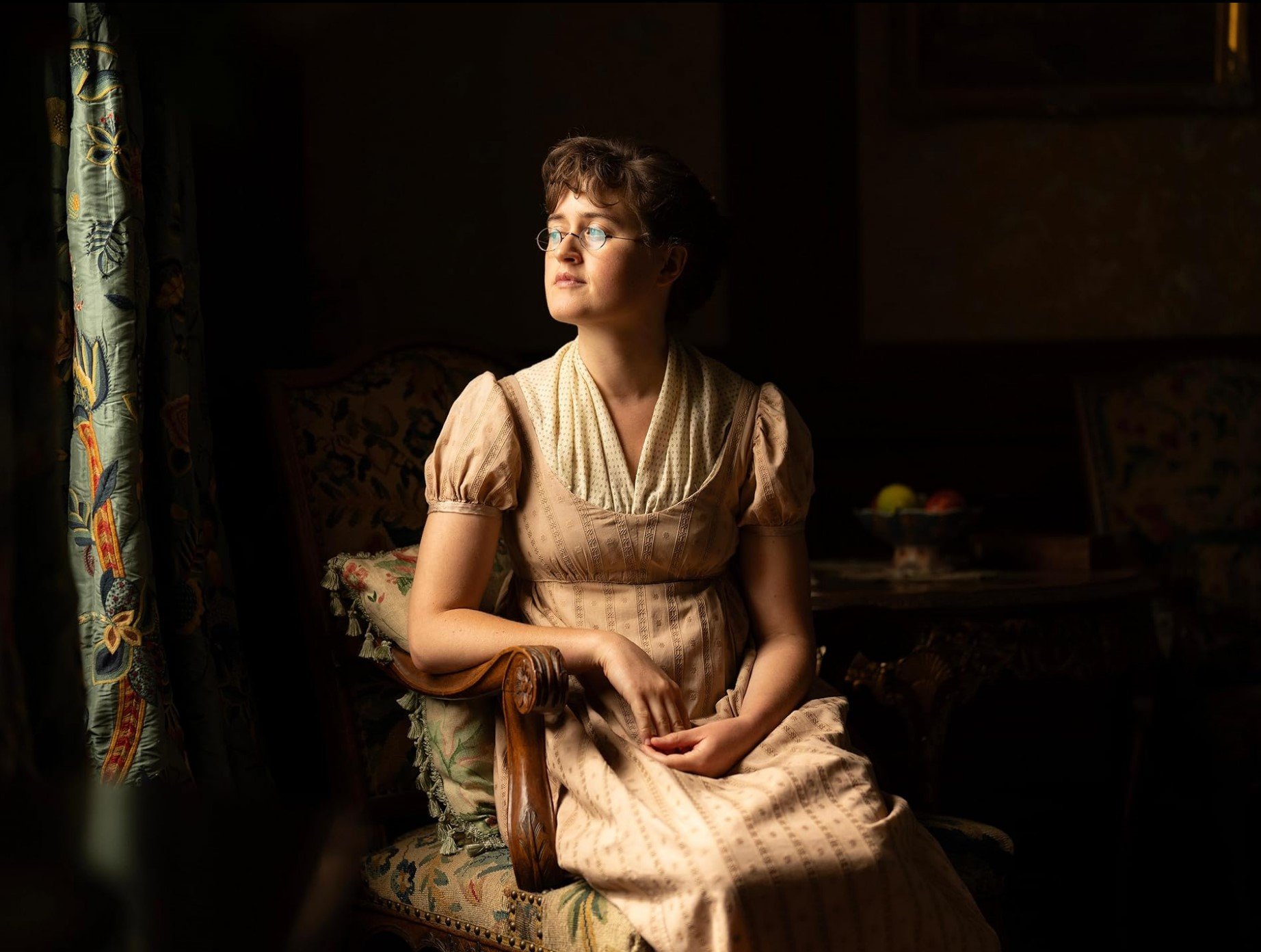
Photo from IMDB courtesy of the BBC
Warning: This post may contain spoilers!
What’s Right
Let’s start on a positive note, shall we? Because, honestly, I really enjoyed the series and I’m glad this story is getting the attention it deserves.
The Emotion
On a personal note, a lot of Mary’s story and feelings hit a little too close to home for me. I was familiar with a lot of her self-doubts and feelings about herself and love-life prospects. I really felt the series captured her loneliness and fears really well and did a great job of bringing us into her life and inner being.
Dónal Finn…I Mean, Casting
The casting, especially of our main trio—Hayward, Mary, and Ryder—but also of the Bennet family and the Gardiners is fantastic. They are a joy to watch together as their energy, talent, and clear love for the characters really brings a tangibility to each role.
And, I’m sorry Dónal Finn, but Austenites are ravenous—it’s all out of love, though.
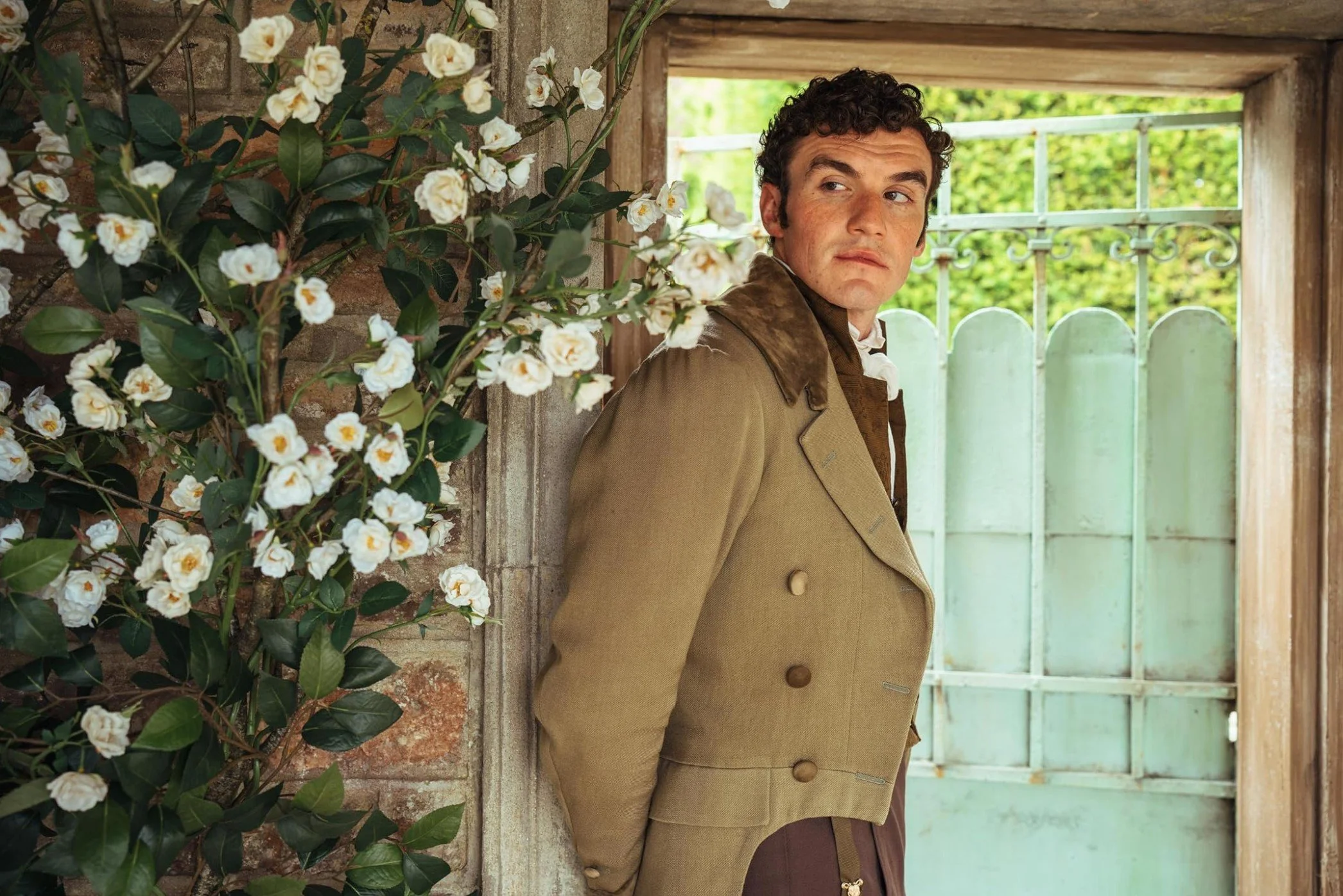
Photo by James Pardon/James Pardon/Bad Wolf/Sony Pictures Television - © Bad Wolf
Production
I’m not sure what else to call this section. Essentially, what I’m talking about is the fact that contemporary productions often feel scrubbed. They lack texture and color and none of the environments look real or lived in. The Other Bennet Sister bobbed and weaved around that trend and was vibrant and perfectly imperfect. Mary’s cheeks were allowed to flush red, there were no press-on nails on overly manicured hands, people looked sweaty and crumpled. Even the digital recreation of 19th-century England didn’t have that glossy fakeness that is common these days.
What’s Wrong
Now, on to my complaints. I will forever struggle to understand how so much can get lost in translation. My sister and I will die on the hill that, in cases like this, the work was already done. The story was written. All they had to do was put it on screen. Why on Earth did they change what they did? Which brings me to (spoilers ahead):
Ann Baxter
God bless Varada Sethu; she had to know she was stepping into a controversial role. I have a major problem with Ann Baxter as an addition for two main reasons:
She was a wasted friend. I actually think it made perfect sense to give Mary another London friend. However, Ann’s actual role in Mary’s London life is miniscule and, contrary to the writer’s excuses for adding her, center almost completely around Hayward as a love interest. She would have been far better employed as a true friend. I would have written her as another somewhat new addition to London society who goes with Mary on her daily explorations of London. I would have given her some of Mrs. Gardiner’s lines from the book to help bolster Mary in her new life.
And then, as the two are becoming chummy, add in the fact that Ann also likes Mr. Hayward. This would have left Mary to remember her history with Charlotte and write herself off—surely Hayward, if he were to choose, would choose Ann.
Leaving us, the viewers, to watch Hayward yearn and be sweet and attentive to Mary while Mary frustratingly still devalues herself. This would have acted to slow the progress of the romance while still maintaining the integrity of Mr. Hayward’s character. Which brings me to my second reason for not liking Ann’s addition.
Cheating. I think by all standards—1800s to present day—yearning for and making eyes at another woman while essentially engaged constitutes cheating. At least to some degree. By adding Ann, they trapped Hayward and soured his character. Only Ann could end their engagement/agreement and maintain any social honor, so how are we supposed to root for Hayward if the only way he can really grow closer to Mary is by being a bit of a cad and cheater?
It’s nonsensical. And what’s worse, we know Jane Austen would not have approved. In Emma we have a clear comparison in Frank Churchill. Austen made it clear that his flirting with and closeness to Emma while secretly engaged to Jane Fairfax was embarrassing, ungentlemanly, mean-spirited, and improper. His dad and step-mom are mortified to think that he used Emma for fun and led her on, not to mention all the horrible ways he must have made Jane feel by his behavior. So, why would it be okay for Hayward? And maybe this is all just part of the endless debate on whether or not men and women can be friends. But in this context, when we know we’re supposed to be on Hayward’s side, it makes it hard to approve this added plot point.
So poor Ann, at no fault of her own, is added to the naughty list.
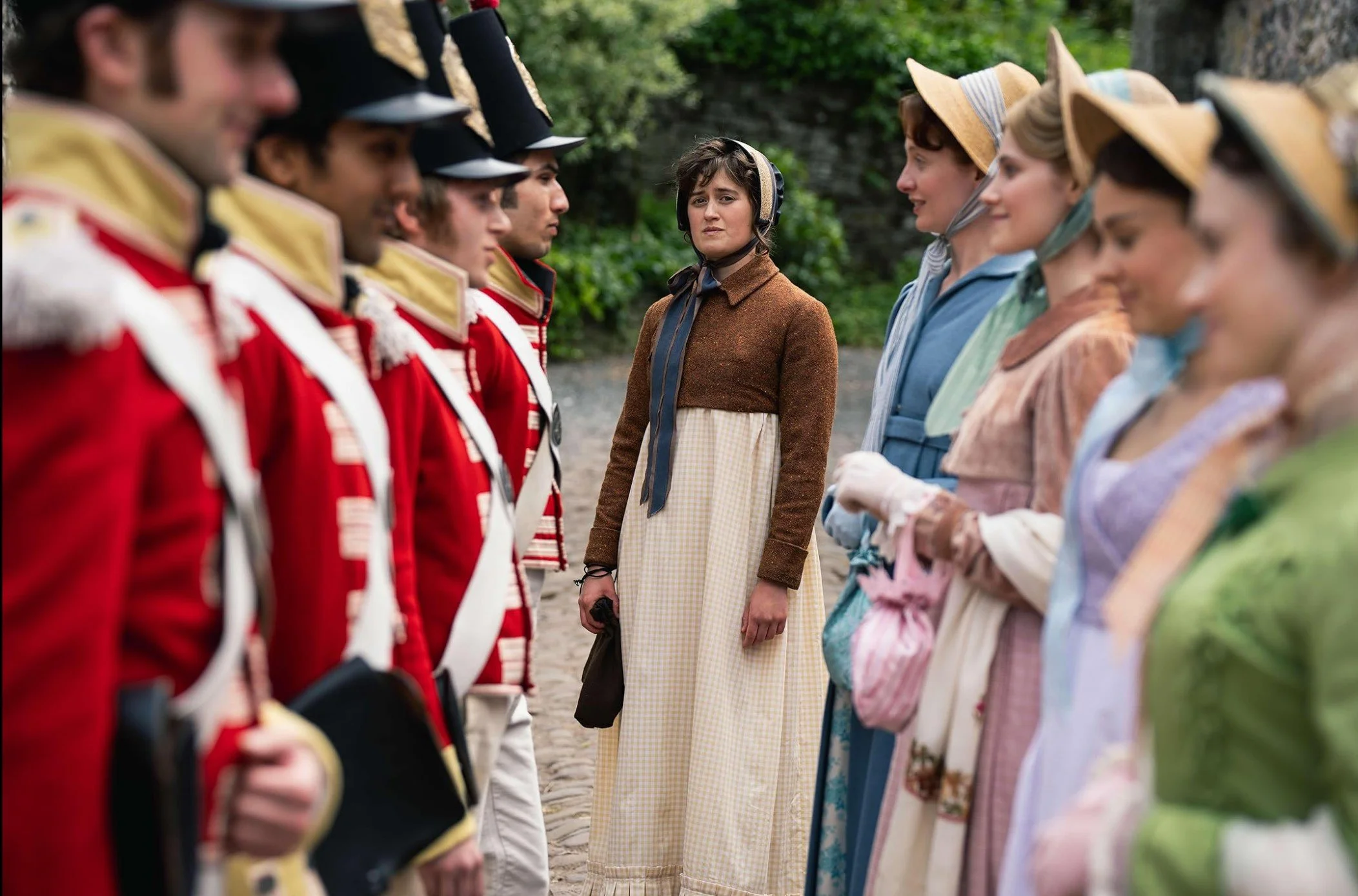
Photo by JAMES PARDON - © JAMES PARDON
Governess
I have far fewer thoughts on this one. But why on Earth would you make her a governess? In this instance they really needed to stick to the book where Mary is treated with the same high regard and dignity as Jane and Lizzy and that’s the only way it should have been. No shade to the governesses of the world, but it’s a step down in society and, in the book, something Mary fears. I hate that her own aunt and uncle brought her on as an employee instead of a guest and family member as she should have been.
Conclusion
So there you have it: my thoughts on the rights and wrongs of the BBC’s treatment of The Other Bennet Sister. I implore you to watch the series all the same, and beg you to read the book. Despite any of its failings both on the page and screen, this story still has a lot to offer Austen lovers.
This post may contain affiliate links.