

I Read The Other Bennet Sister and I Have Thoughts
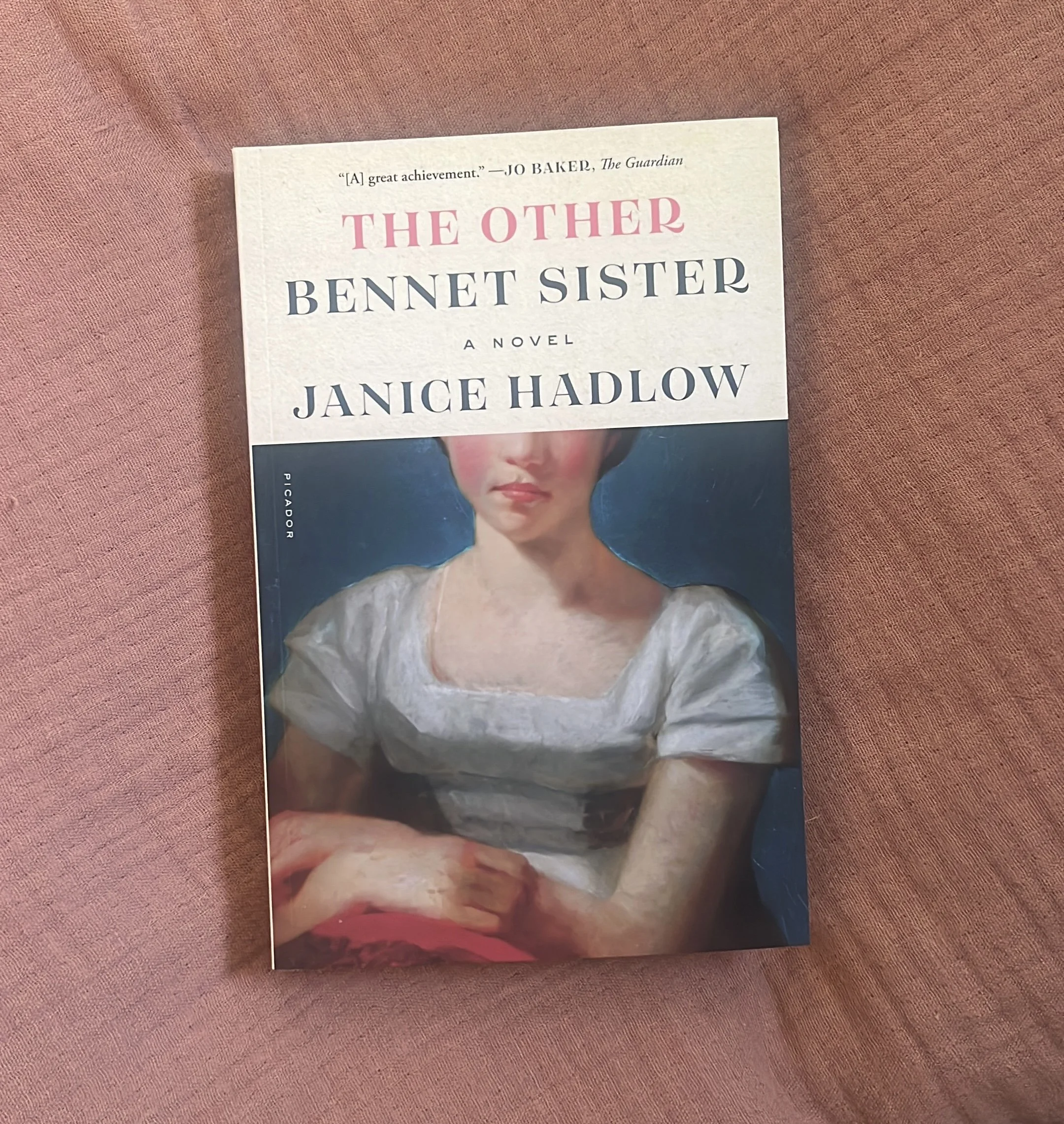
Though published in 2020, The Other Bennet Sister is sweeping the Austen and literary world in 2026. This is primarily attributed to the fact that the BBC has just done an adaptation. I’m also more than willing to attribute it to Dónal Finn’s masterful portrayal of Mr. Hayward (and general adorableness). No shame here; I love him. That’s an end to it. But before America dare be allowed access to such hallowed television as the BBC adaptation, I decided to read The Other Bennet Sister. And I have thoughts.
First Thought: I love it.
PC: Elaine Atherholt, austenetc.com
In the disappointing world of Netflix’s Persuasion and the BBC’s attempt at Sanditon, I LOVED The Other Bennet Sister. The book is officially on my Essential Jane Austen reading list, and I’m not ashamed to say I burned through it with the full intention of just looping back around and starting from the beginning again. (In the end, my sister demanded she take it with her to New York to devour, so it went with her…but I’ll be back!)
Second Thought: It Treated Jane Right
But I love it more because of its reverence for the lady herself. Something I found in Sanditon specifically was a strange (and almost jarring) hard left turn away from Austen’s spirit. We had the incestuous half-siblings and the sexual dalliances in the name of inheriting Lady Denham’s estate, among other odd happenings. Though I guess we could argue it wasn’t that far off track (after all we have Wickham, Willoughby, etc.) it had strayed enough to feel… wrong. And I think it was the modern heavy-handedness. Austen handled these topics with such care and solemnity, that a modern dramatic, shock-value, scandal for the sake of scandal approach was not fitting.
And you can read my opinions of Netflix’s Persuasion.
The Other Bennet Sister, in book form, seemed to understand not just the basics of Austen but the foundation of Austen. It moved with the same grace and aplomb, never injecting contemporary sensibilities or expectations. You really felt like you were just stepping right back into Pride and Prejudice for the next chapter.
Third Thought: Mary Really Did Deserve This
PC: Elaine Atherholt, austenetc.com
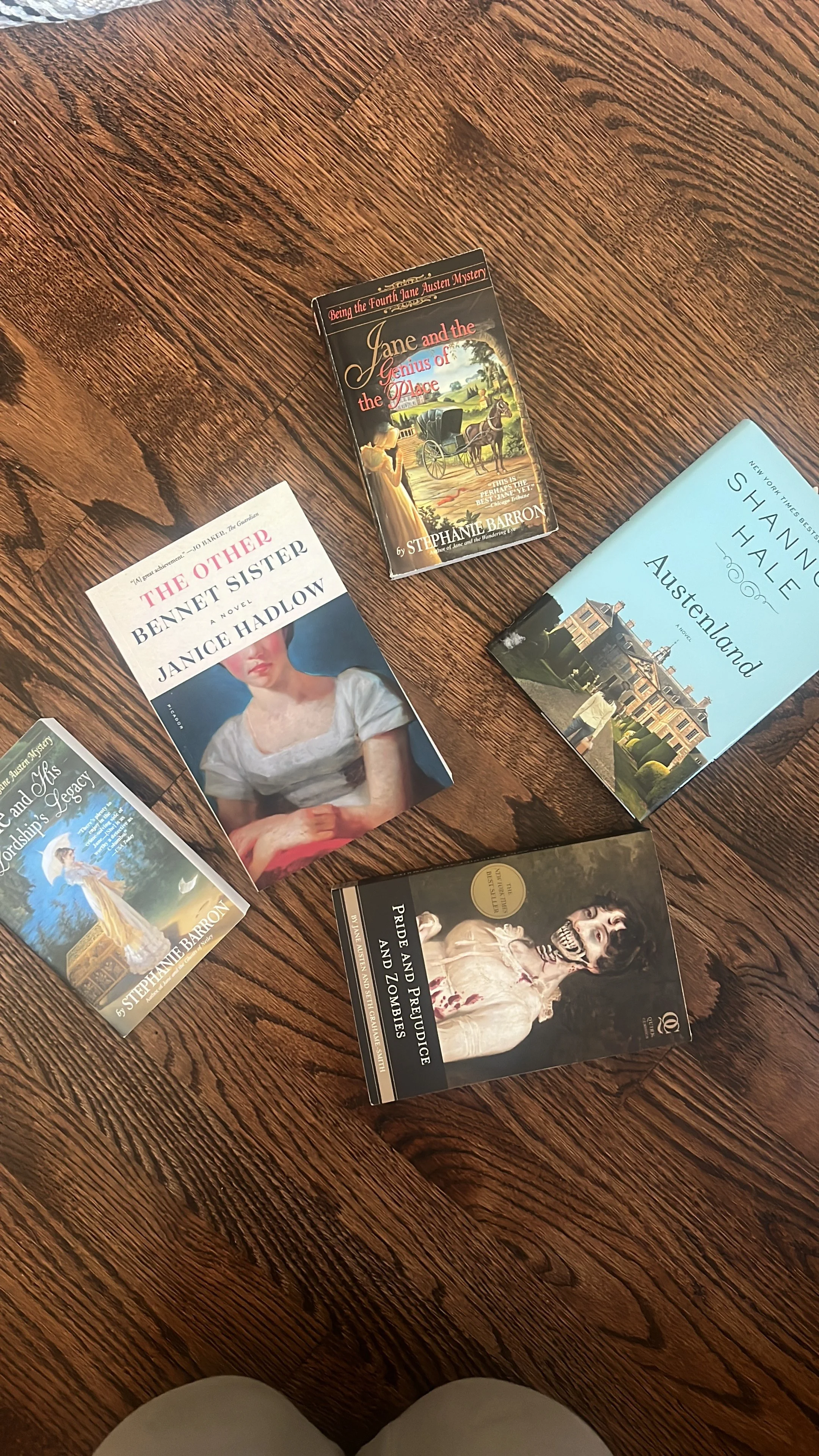
In Pride and Prejudice, Mary really is a side character. She’s used as a contrast to her sisters, a balance between the witty and the ridiculous. She’s a true middle child. I loved how The Other Bennet Sister explored what her placement among her sisters really meant: she is a forgotten middle child. With child being the emphasis.
Because, in truth, she is young. Lydia is only 16-years-old, meaning Mary is only 18 or so. Remember when you were 18? It was exciting but, more often, confusing and scary. Mary needed a coming of age story. She deserved a chance to figure out who she is compared to her sisters, within the social climate and rules she had to live by, and possessing a strong desire to be known and loved as she is, rather than as her father, mother, or sisters would have her be.
Final Thoughts
I’m so happy this story was told the way it was. Mr. Hayward is perfect; he’s romantic, but practical, strong, kind, hard working, and truly a complement to Mary. Janice Hadlow perfectly captured the world, spirit, and intentions of Austen and distilled them into a story that felt updated without being overtly (and grotesquely) modern. We were welcomed in, allowed to sit with Mary as she studied and worried, invited to witness the glory of her growth, and given the chance to fall in love alongside her.
Though lost in the shuffle of 2020, I’m so glad The Other Bennet Sister is seeing the light of day it deserves in 2026!
This post may contain affiliate links but I don’t recommend products or sites I don’t love!